Background
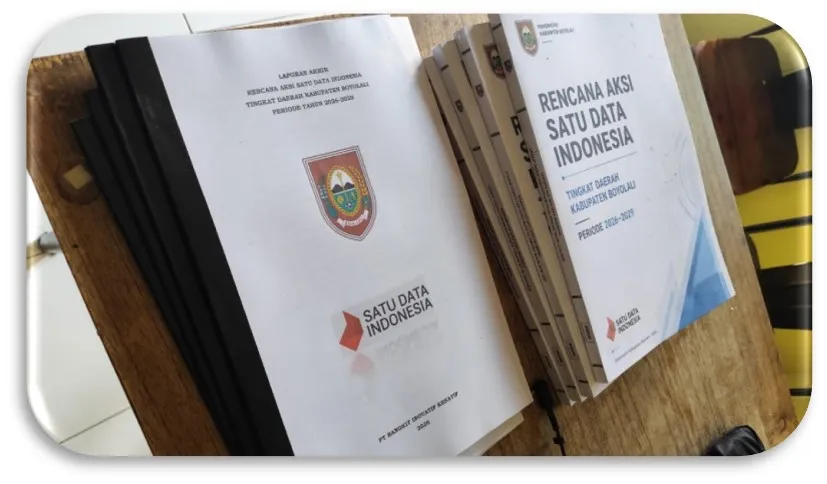
The Boyolali Regency Government needed an action plan document connecting data governance principles, policy direction, priority programs, and implementation stages across regional agencies.
Challenge
Developing a consistent framework linking the evaluation of existing conditions, data producer needs, One Data Indonesia policy, implementation indicators, and a realistic four-year roadmap.
databaik's Role
databaik, through PT Bangkit Inovatif Kreatif, contributed to the study, document structure design, condition analysis, policy direction formulation, action plan matrix development, and implementation roadmap.
Approach
- Data governance assessment
- Strategic planning
- Stakeholder consultation
- Action-plan formulation
- Implementation roadmap
Technology
- Data governance framework
- Policy analysis
- Planning matrix
- Roadmap visualization
Deliverables
- One Data Indonesia Action Plan document
- Evaluation of existing conditions
- Policy direction and strategy
- Program and activity matrix
- Implementation roadmap 2026–2029
Outcome & Impact
The document is used as formal planning material to strengthen regional government data governance for the 2026–2029 period.
Have a similar need?
Discuss your organizational context and data needs with the databaik team.
Discuss Project →